
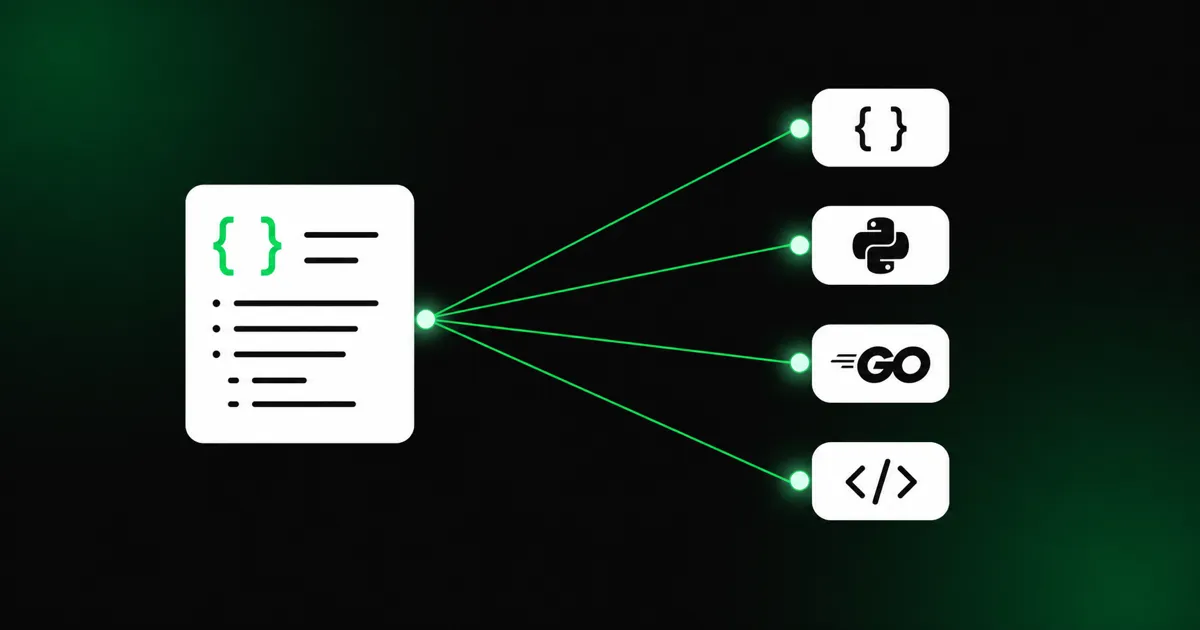
How We Generate Our SDKs from One OpenAPI Spec
Why the otp.com client libraries for Node, Python, Go, and PHP are generated from one OpenAPI spec instead of written by hand, and how that stops drift.
otp.com · blog
Guides for choosing and using one-time passcodes, and engineering deep dives on delivering them across SMS, WhatsApp, Telegram, and Email.
APIs, SDKs, the MCP server, and architecture: how to wire up OTP verification and run it at scale.
Why the otp.com client libraries for Node, Python, Go, and PHP are generated from one OpenAPI spec instead of written by hand, and how that stops drift.
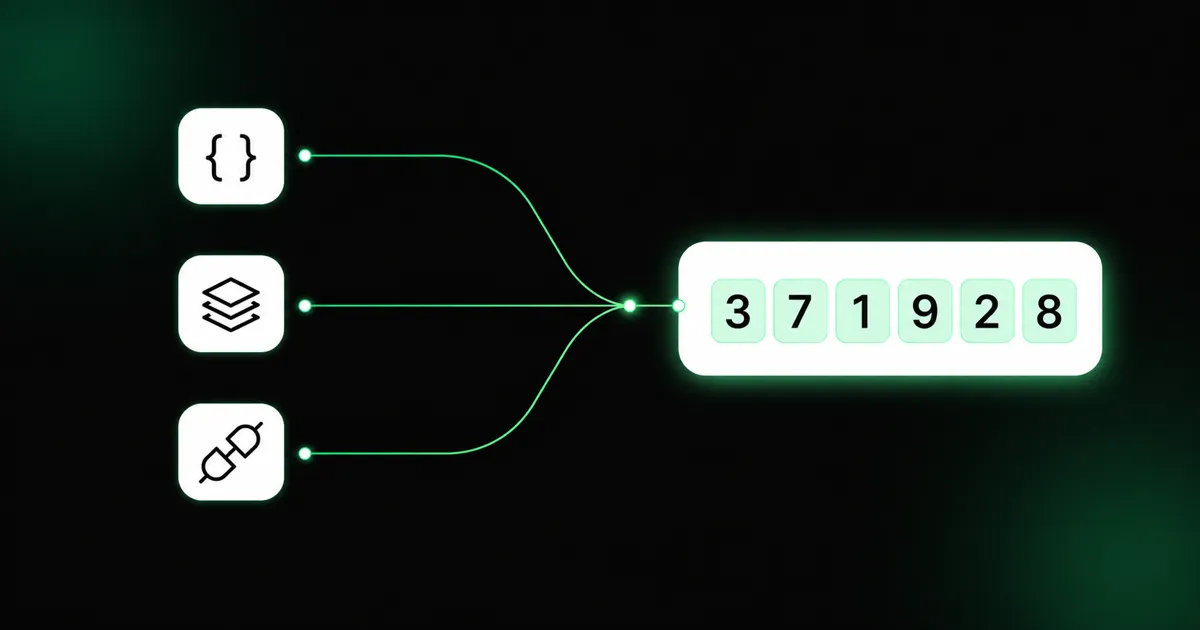
Three ways to call the same OTP API: the raw REST endpoints, a generated SDK, or the MCP server for AI agents, and when each one is the right fit.
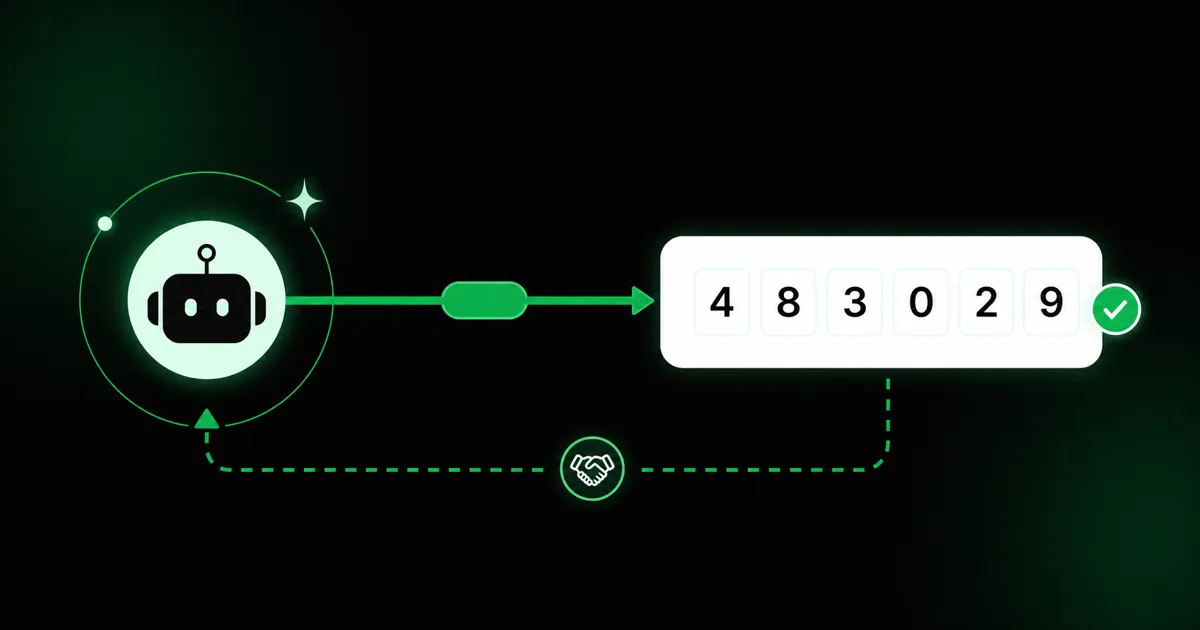
Point any MCP client at the otp.com server and your AI agent can send, verify, resend, and check one-time passwords using only your API key.
Channels, UX, deliverability, and cost: how to pick the right verification setup and get it right for your users.
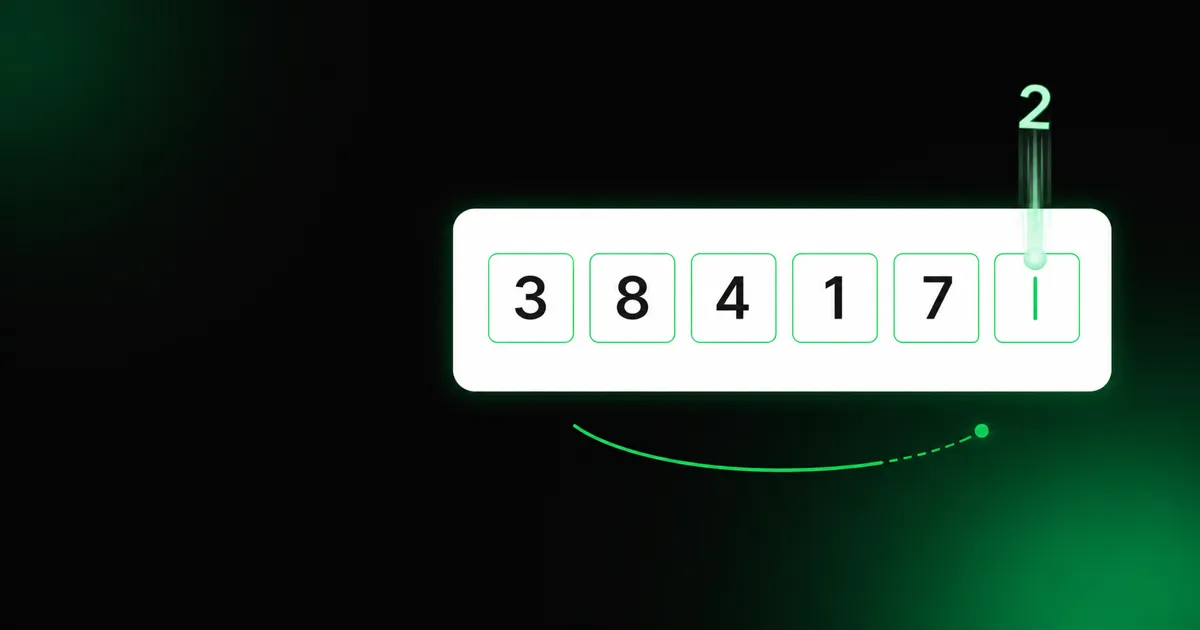
The message is only half the job. Here is how to design the OTP entry screen: input field, autofill, paste, resend timers, and error states that convert.
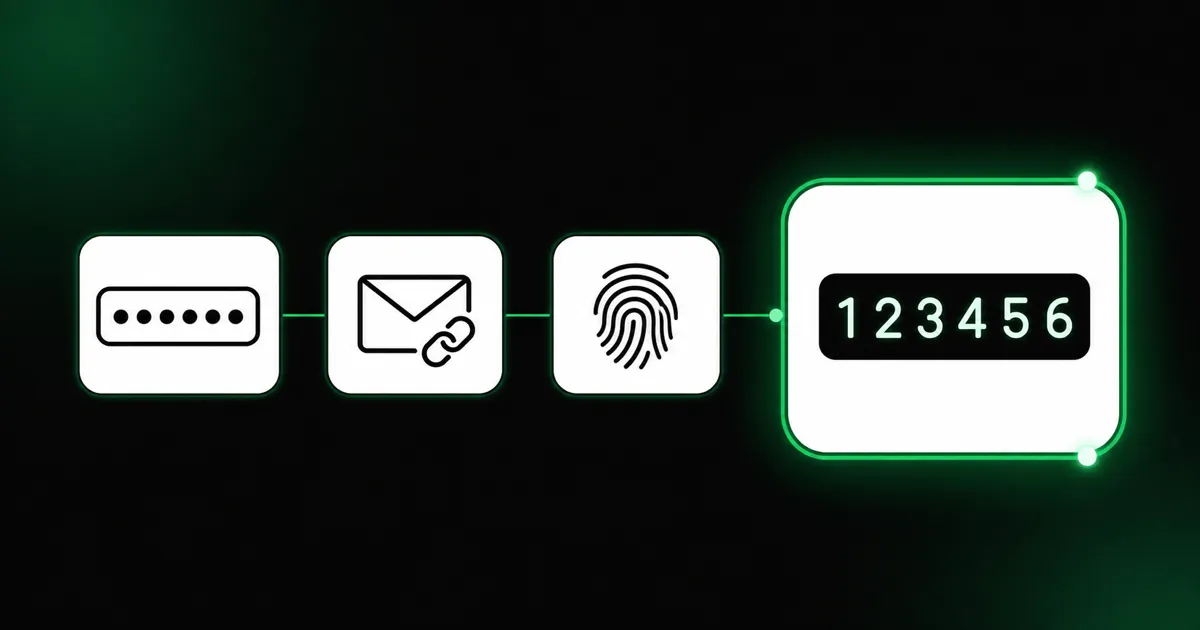
OTP is one tool among passwords, magic links, authenticator apps, and passkeys. Here is what each one proves, and when a delivered code is the right call.
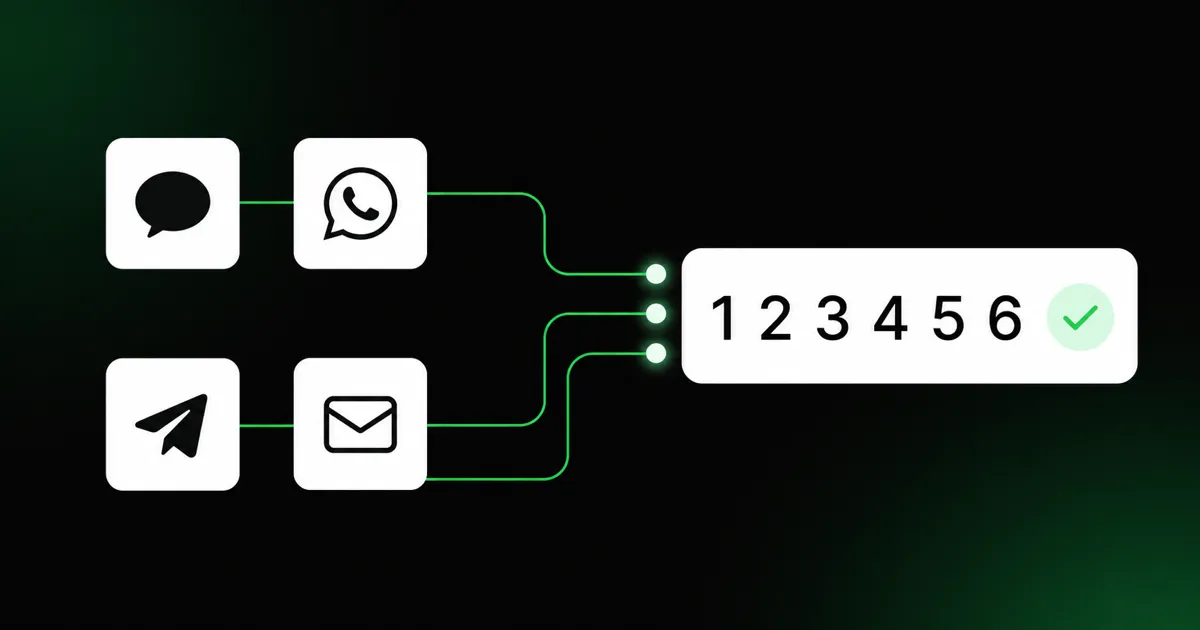
A practical guide to choosing between SMS, WhatsApp, Telegram, and email for one-time passcodes, comparing reach, latency, and fallback strategy.